
Seasonal Travel in Madagascar: When to Visit for the Best Experience


Exploring Madagascar's Seasons
Madagascar, an island nation off the southeast coast of Africa, is a treasure trove of biodiversity and unique landscapes. Understanding the seasonal changes is crucial for planning the perfect trip. Madagascar's climate is primarily divided into two main seasons: the wet season and the dry season. Knowing the best time to visit can greatly enhance your travel experience.
The Wet Season: November to April
The wet season in Madagascar runs from November to April. During this time, the island experiences heavy rainfall, particularly on the east coast. This season is characterized by lush greenery and blooming flora, making it a great time for nature enthusiasts. However, travel can be challenging due to muddy roads and limited access to some areas.
For those interested in witnessing the vibrant landscapes, the wet season offers an abundance of natural beauty. It is also the breeding season for many animals, providing a unique opportunity to observe wildlife in their natural habitats.
The Dry Season: May to October
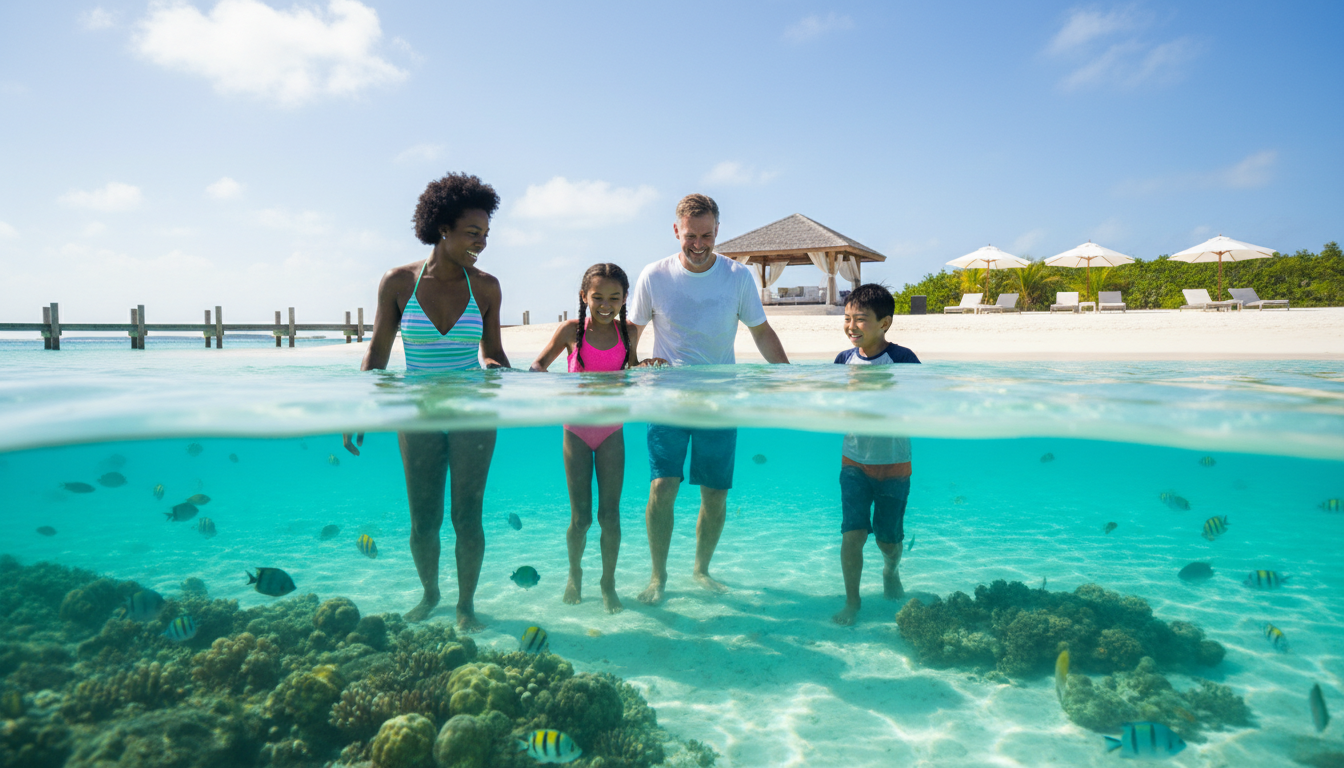
The dry season, from May to October, is considered the best time to visit Madagascar. During these months, the weather is more predictable, with less rainfall and cooler temperatures. This is ideal for outdoor activities like hiking, exploring national parks, and beach vacations.
Wildlife enthusiasts will find this season particularly rewarding. Many of Madagascar's unique species, such as lemurs and chameleons, are more active and visible during the dry months. The clear skies and pleasant weather make it the perfect time for photography and adventure.
Regional Variations
Madagascar's diverse geography means that weather patterns can vary significantly by region. The east coast tends to be wetter, while the west coast is drier. The central highlands experience cooler temperatures, especially at night. Travelers should consider these regional differences when planning their itinerary.

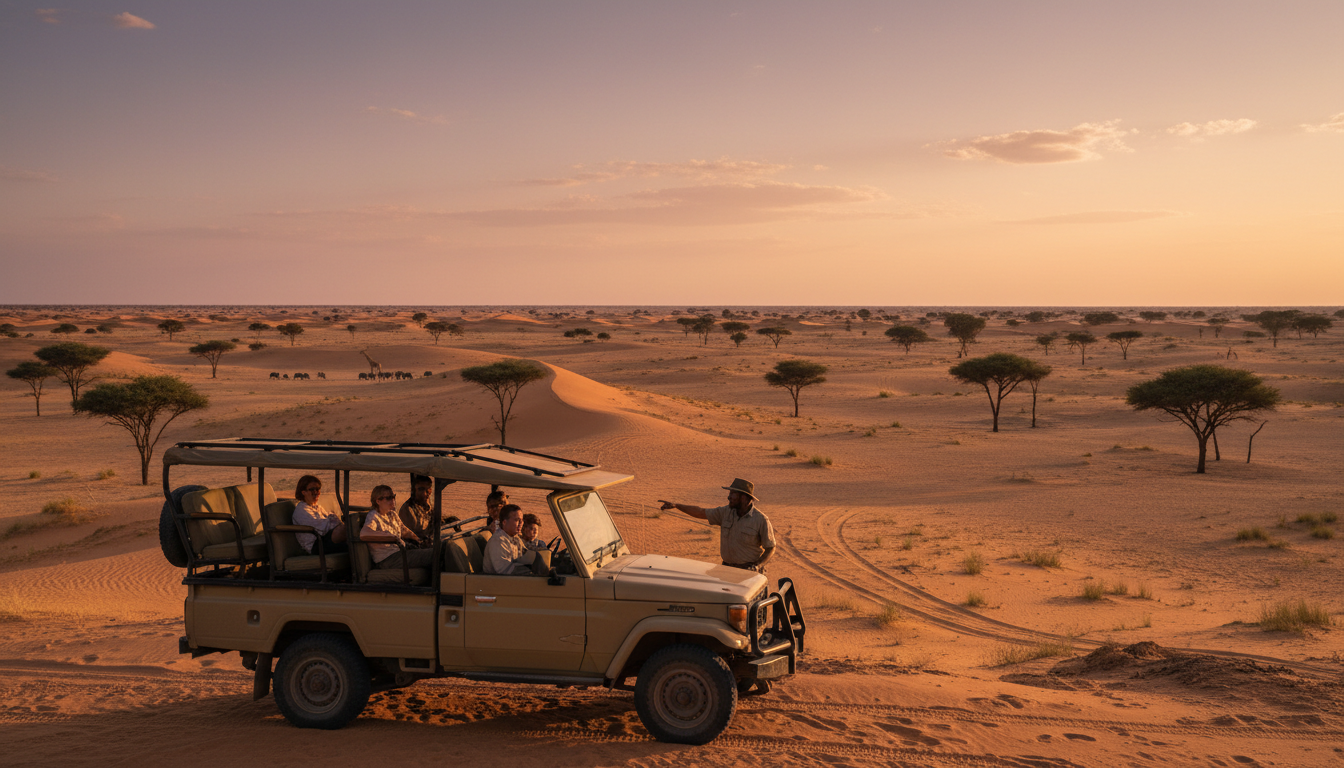
The southern part of the island is arid, resembling a desert environment. This region is best visited during the dry season to avoid extreme temperatures and enjoy the unique landscapes without the hindrance of rain.
Special Events and Festivals
Madagascar hosts various festivals throughout the year, which can offer enriching cultural experiences. The Famadihana, or "turning of the bones," is a traditional ceremony held during the cooler months, where families honor their ancestors. Visitors are often welcomed to observe and participate in these vibrant celebrations.
Additionally, the Donia Music Festival, typically held in May, showcases local music and dance, providing a lively introduction to Malagasy culture. Timing your visit to coincide with these events can add a unique dimension to your trip.
Travel Tips
When planning your trip to Madagascar, consider the following tips:
- Pack appropriately: Lightweight, breathable clothing is recommended for the wet season, while warmer layers are essential for the dry season, especially in the highlands.
- Book in advance: Popular tourist spots can fill up quickly during the dry season, so make reservations early.
- Stay informed: Keep an eye on local weather forecasts and road conditions to ensure safe travels.
By understanding the seasonal variations, travelers can make the most of their Madagascar adventure, ensuring an unforgettable experience on this remarkable island.