
Seasonal Highlights: Best Times for a Voyage to Madagascar


Madagascar, an island nation off the southeastern coast of Africa, is a treasure trove of biodiversity and unique landscapes. Whether you're drawn to its lush rainforests, pristine beaches, or fascinating wildlife, timing your visit can significantly enhance your experience. Here’s a guide to help you choose the best times for your voyage to Madagascar.
Understanding Madagascar’s Climate
Madagascar’s climate is diverse, largely influenced by its varied geography. The island experiences two main seasons: the hot, rainy season from November to April and the cooler, dry season from May to October. Understanding these seasons is crucial for planning your trip.
The Rainy Season: November to April
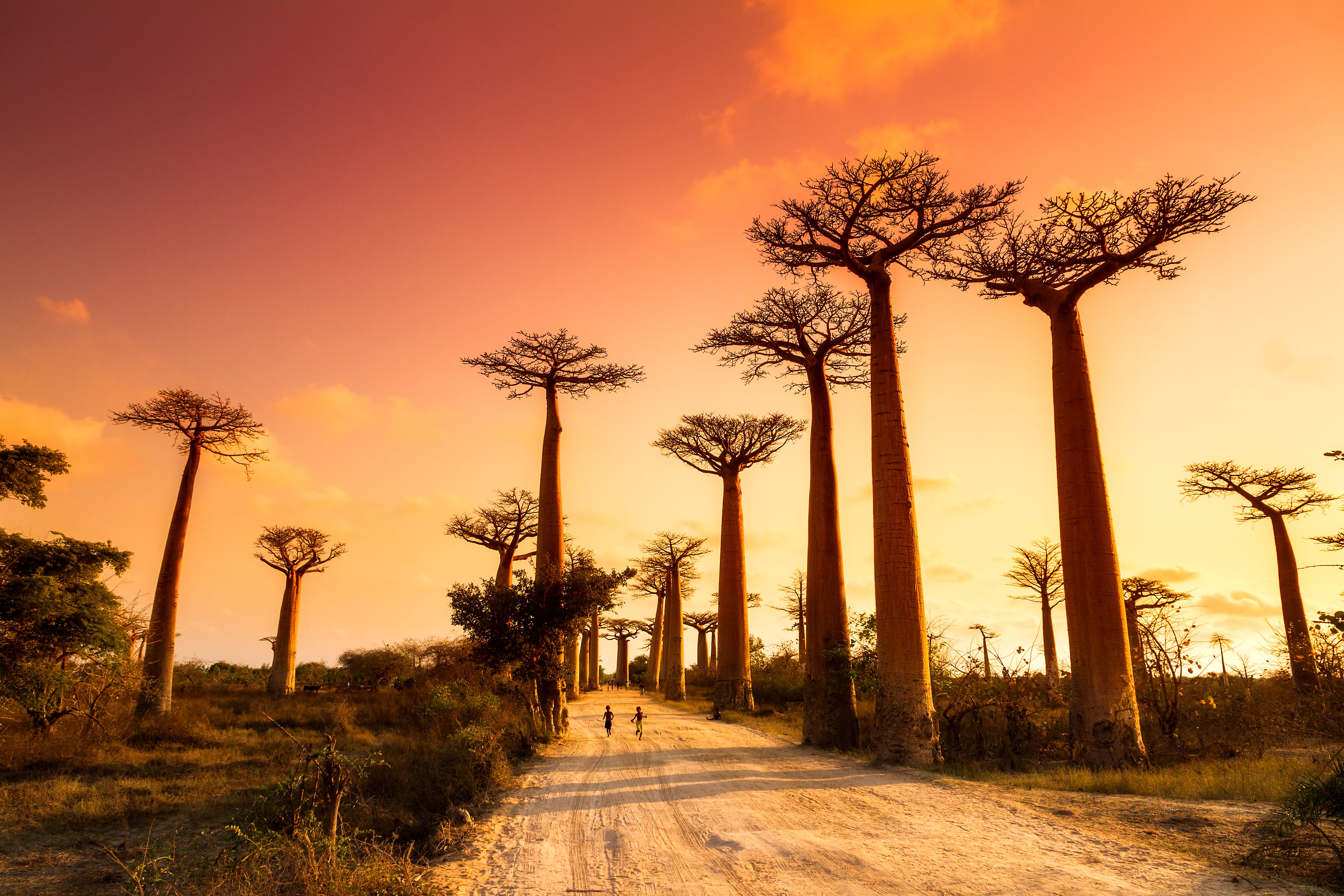
During the rainy season, Madagascar is lush and vibrant, with the countryside donning a rich, green hue. This is the best time to explore the rainforests and experience the island’s breathtaking waterfalls at their fullest. However, it’s important to note that some areas, particularly in the east, can experience heavy rainfall, which might affect travel plans.
Despite the rain, this season is ideal for birdwatching enthusiasts. Many bird species are nesting, and the forests are alive with their calls. However, roads can become muddy and challenging, so be prepared for some adventurous travel.
The Dry Season: May to October
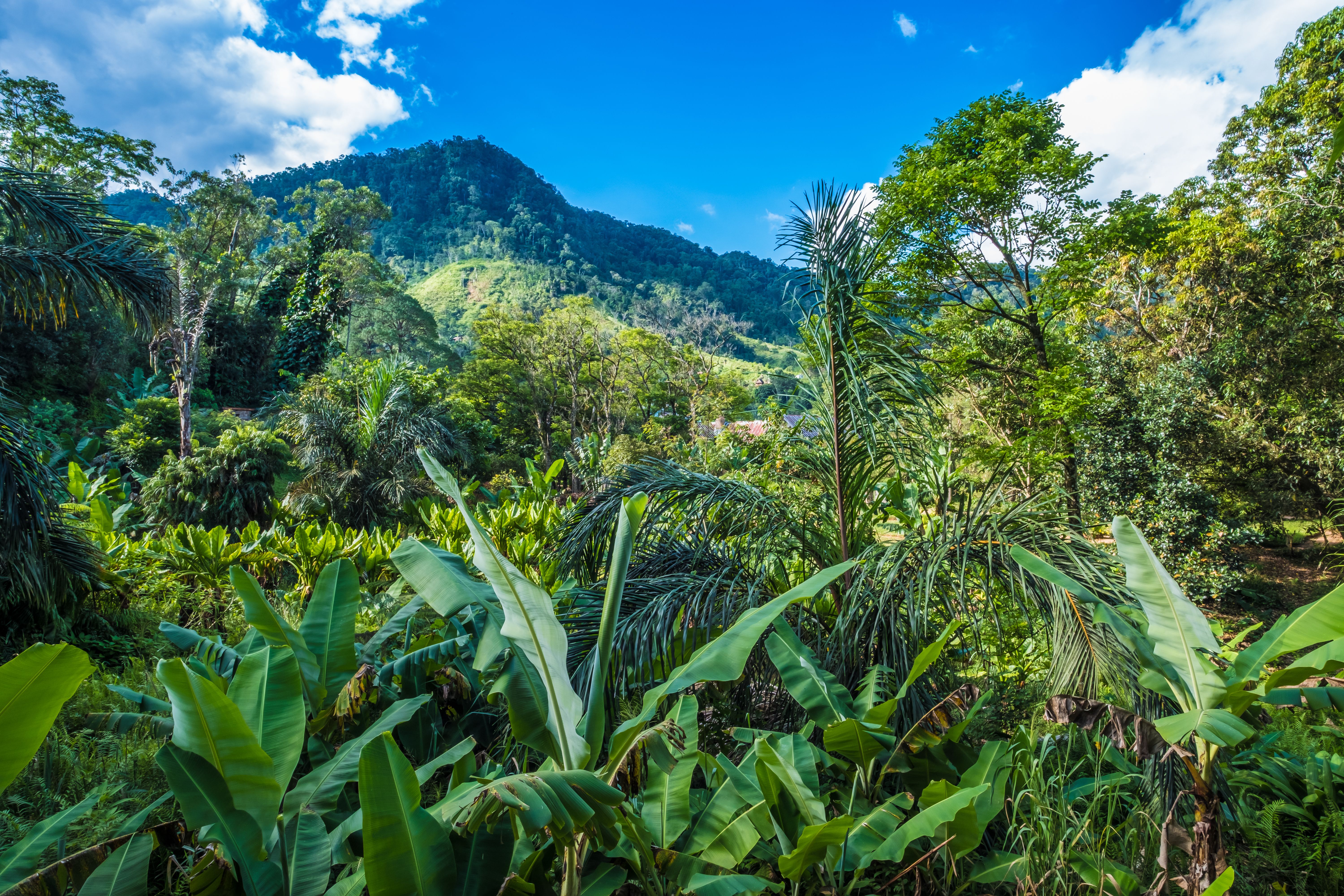
The dry season is the most popular time for tourists. The weather is cooler and more comfortable, making it perfect for exploring Madagascar’s diverse landscapes. This is also the best time for beach lovers to enjoy the pristine shores without the interruption of rain.
Wildlife Watching Opportunities
If wildlife is your primary interest, visiting during the dry season offers excellent opportunities. This is the best time to see lemurs and other unique Madagascar fauna in their natural habitats. July to September is particularly good for whale watching off the eastern coast.
Events and Festivals
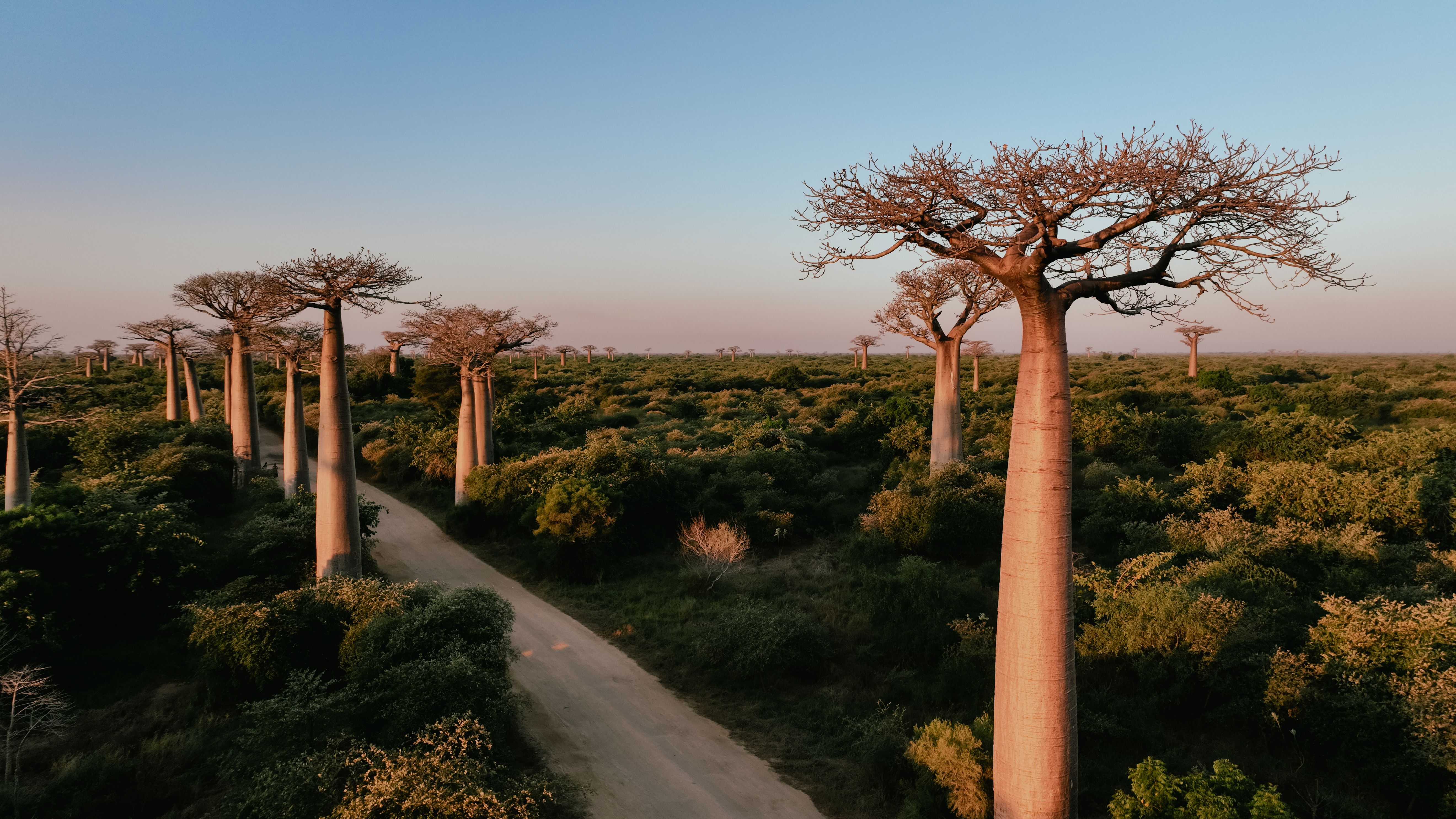
Madagascar hosts several vibrant festivals, which can add a cultural dimension to your trip. The Alahamady Be, the Malagasy New Year, is celebrated in March and offers a glimpse into local traditions and festivities. Meanwhile, the Donia Music Festival in Nosy Be, usually in May, showcases the island’s rich musical heritage.
Travel Tips
- Book accommodations and tours in advance, especially during the dry season.
- Pack appropriate clothing for the season you plan to visit.
- Consider the impact of cyclones, which are more common from January to March.
Whether you choose to visit during the lush, rainy months or the sunny, dry season, Madagascar promises an unforgettable adventure. Each season offers its own unique experiences, ensuring that whenever you decide to go, you’ll be captivated by this island’s natural beauty.