
Madagascar Travel FAQs: Everything You Need to Know Before You Go


Why Visit Madagascar?
Madagascar is an island nation renowned for its unique wildlife, stunning landscapes, and rich cultural heritage. From the famous lemurs to the stunning beaches, there's something for everyone. Whether you're an adventure seeker or a leisure traveler, Madagascar offers a variety of experiences that are both exciting and relaxing.
When is the Best Time to Visit?
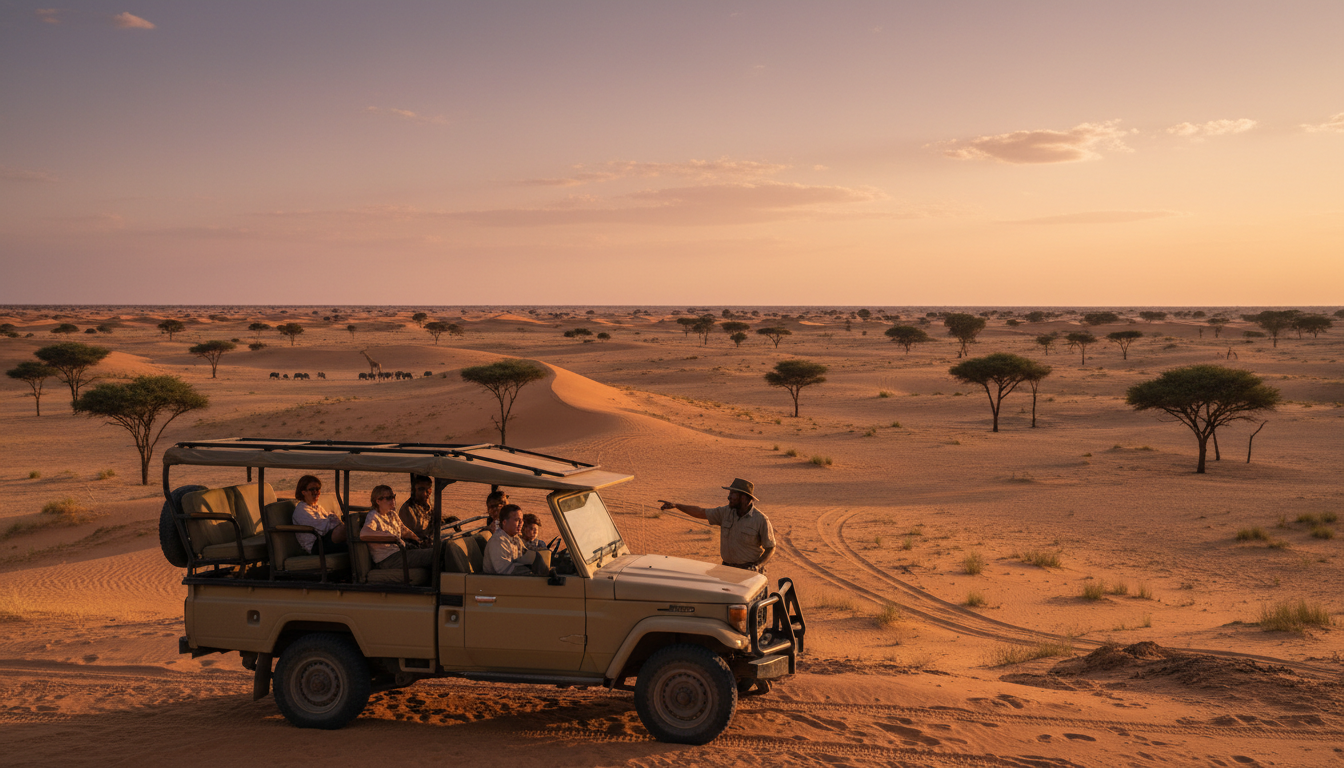
The ideal time to visit Madagascar depends on what you want to experience. The dry season, from April to November, is perfect for wildlife viewing and exploring the outdoors. For those interested in whale watching, July to September is the best time. Keep in mind that the rainy season from December to March can make some areas difficult to access.
Do I Need a Visa?
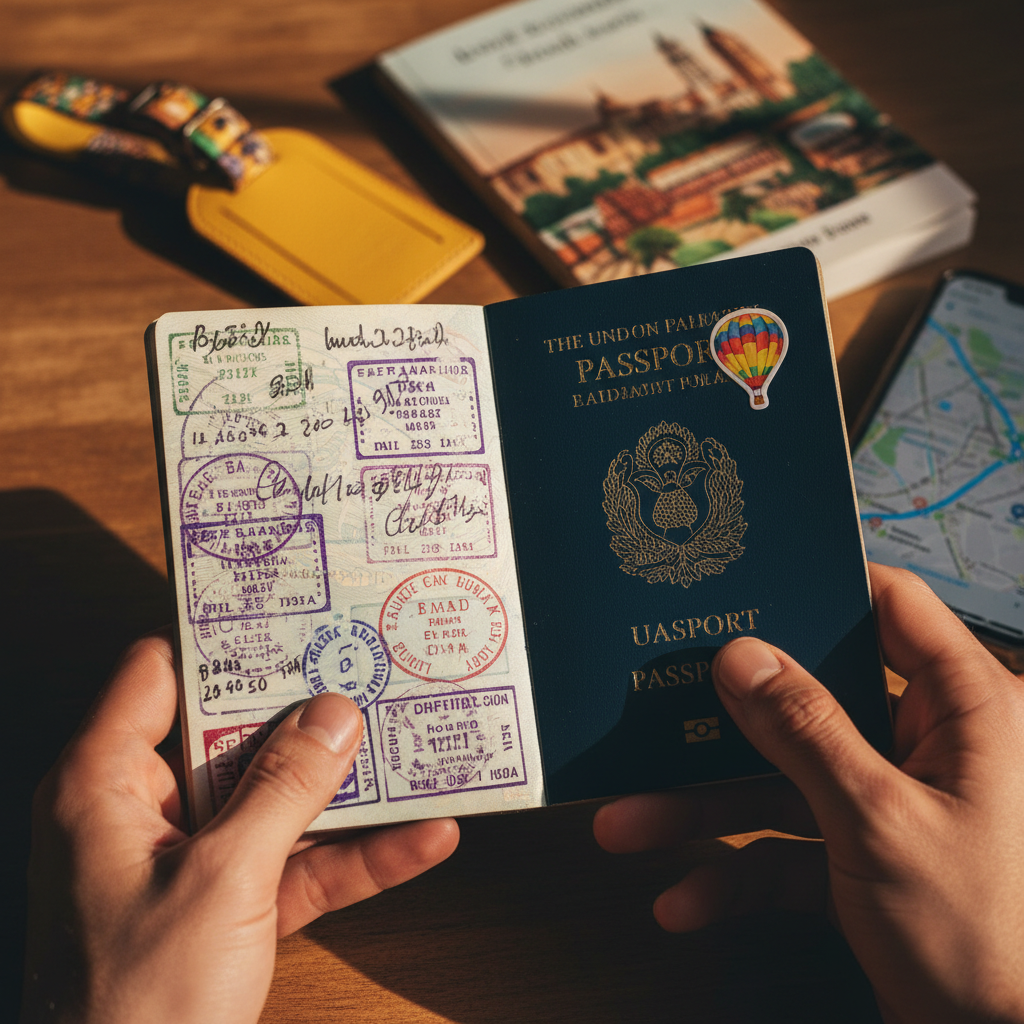
Yes, most visitors require a visa to enter Madagascar. You can obtain a visa on arrival at the airport or apply for an e-visa online before your trip. Ensure your passport is valid for at least six months beyond your planned departure date.
What Should I Pack?
Packing for Madagascar requires a bit of planning. Lightweight, breathable clothing is essential for the warm climate. If you plan to visit the highlands or partake in hiking, include warmer clothing. Don't forget essentials like sunscreen, insect repellent, and a good pair of walking shoes.
How Do I Get Around?
Traveling within Madagascar can be an adventure in itself. Domestic flights are available but can be expensive. For budget travelers, options include bush taxis, known as "taxi-brousse," which offer a more local experience. Renting a car with a driver is also a popular and convenient option for exploring the island.

What About Health and Safety?
Before traveling to Madagascar, it's essential to check the latest health advice. Vaccinations for diseases such as hepatitis A, typhoid, and rabies are recommended. Malaria is present in some regions, so taking preventative measures is crucial. Always drink bottled or boiled water to avoid waterborne illnesses.
What Language is Spoken?
Malagasy and French are the official languages of Madagascar. While many locals speak French, English is not widely spoken. Learning a few basic phrases in Malagasy or French can enhance your travel experience and help you connect with the locals.
Where to Stay?
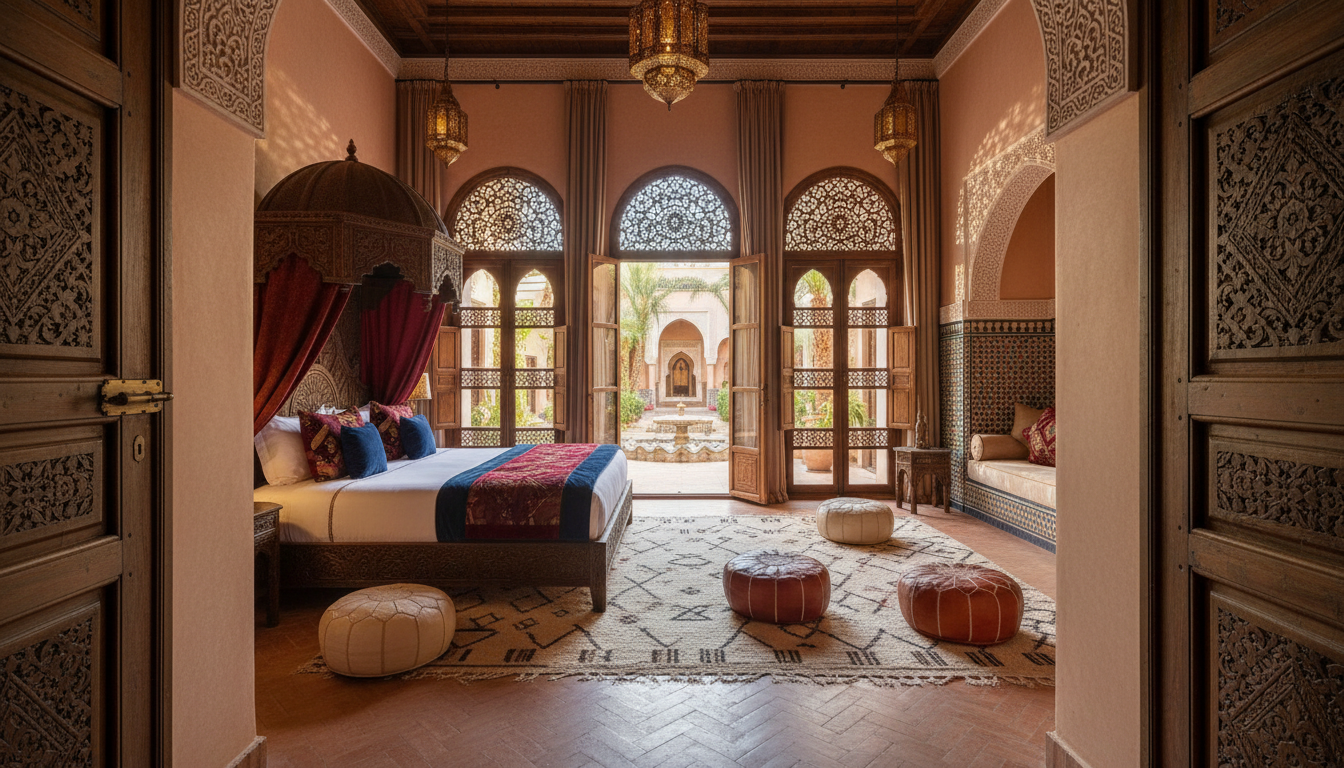
Accommodation in Madagascar ranges from budget hostels to luxury resorts. Major cities like Antananarivo offer a variety of options. For a unique experience, consider staying in an eco-lodge or guesthouse to enjoy the local hospitality and stunning natural surroundings.
Madagascar is a destination full of surprises and wonders. With the right preparation and knowledge, your trip can be both enjoyable and unforgettable. Whether you're exploring the vibrant culture or the island's natural beauty, Madagascar promises an adventure unlike any other.