
How to Prepare for a Seasonal Tour in Madagascar


Understanding Madagascar's Seasons
Madagascar is an island nation with distinct seasons, each offering unique experiences for travelers. It's essential to understand these seasonal variations to plan your tour effectively. The rainy season typically runs from November to April, while the dry season lasts from May to October. Each season brings its own charm and challenges.
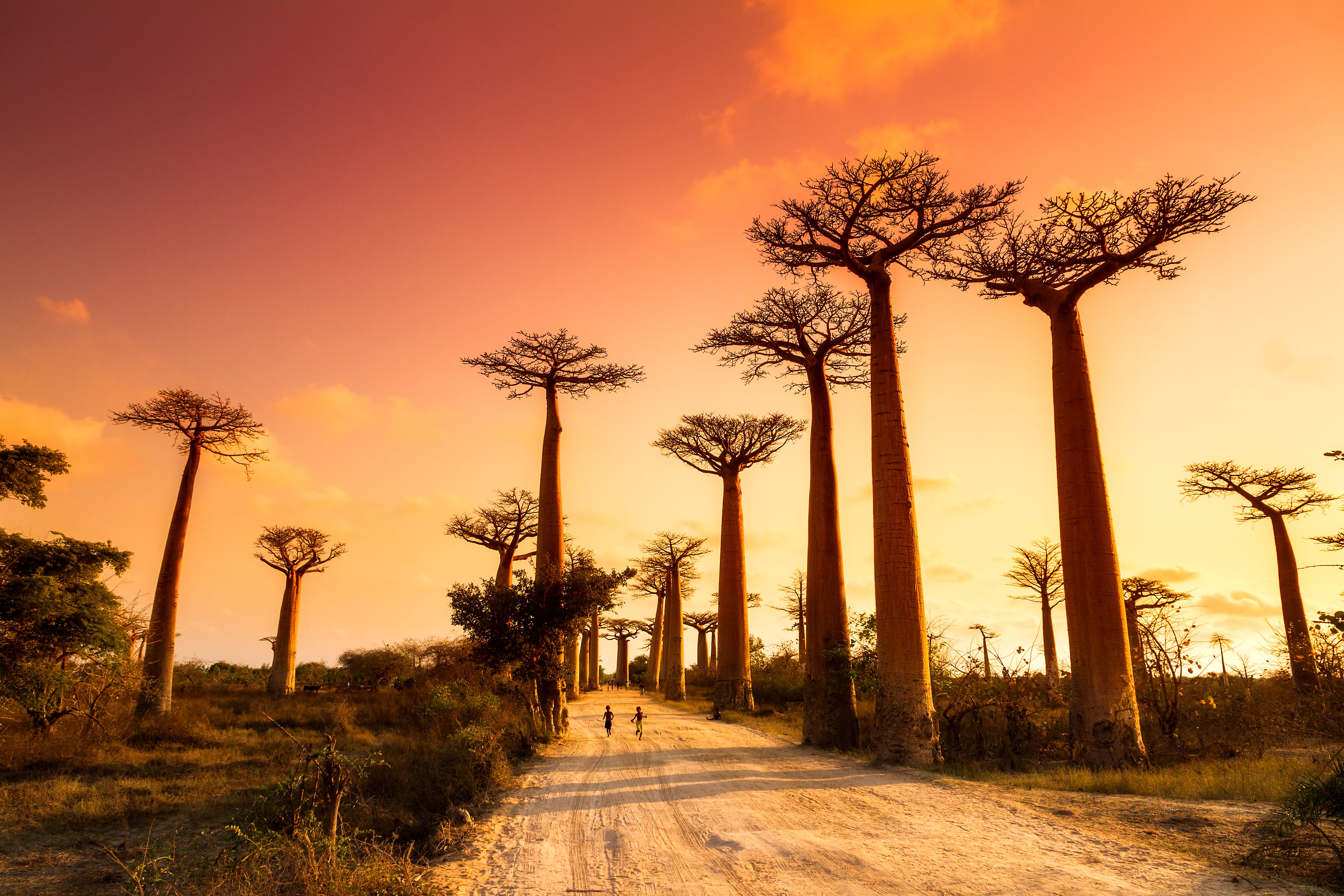
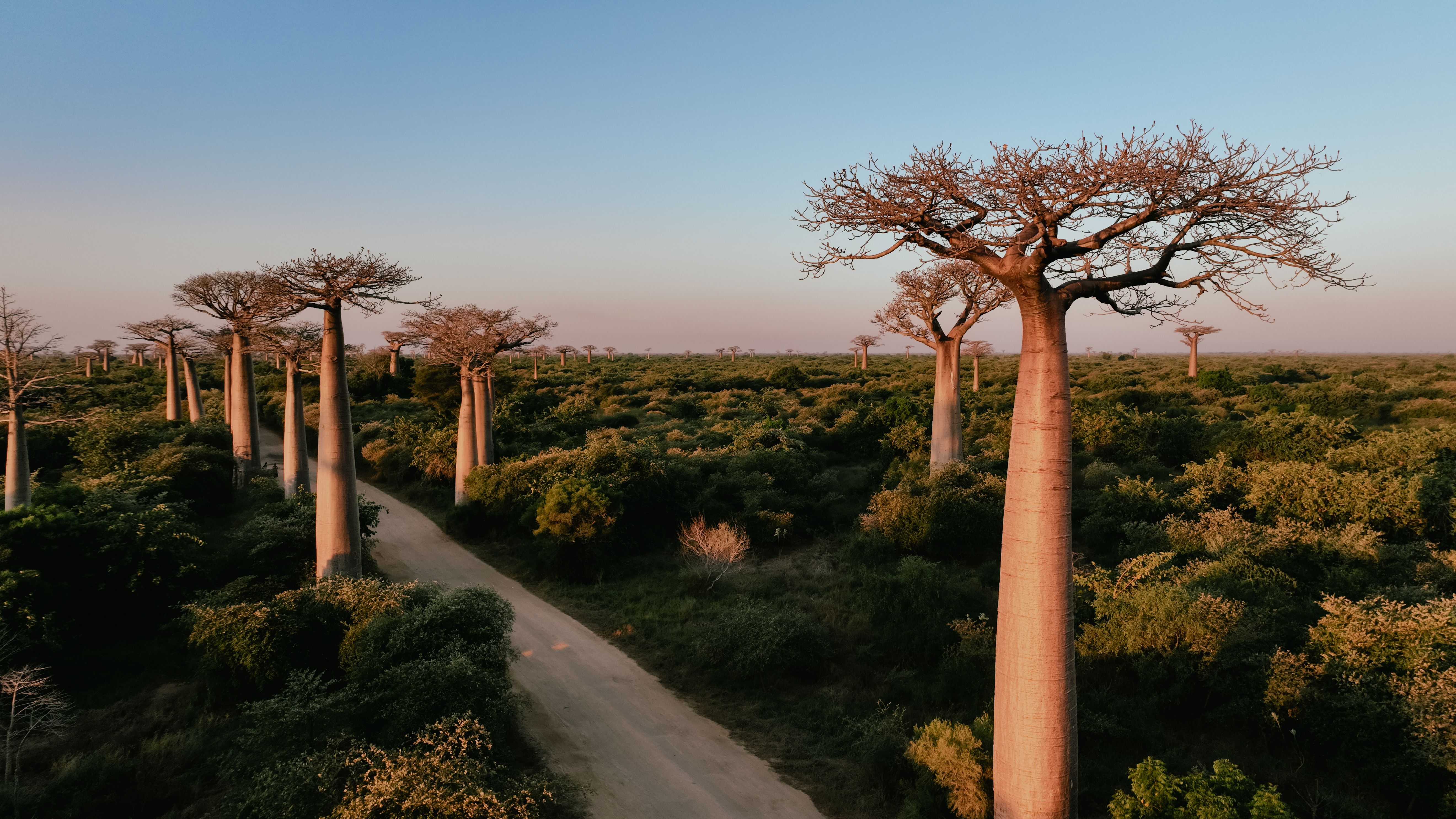
During the rainy season, the landscape is lush and green, making it ideal for nature lovers and photographers. However, some areas may become inaccessible due to heavy rains. In contrast, the dry season offers more comfortable travel conditions and is the perfect time for wildlife spotting.
Planning Your Itinerary
To make the most of your trip, create an itinerary that aligns with the season. If you visit during the dry season, consider exploring Madagascar's renowned national parks like Andasibe-Mantadia and Isalo. These parks are home to unique wildlife, including lemurs and chameleons.
For those traveling in the rainy season, focus on cultural experiences and coastal areas that are less affected by the weather. The vibrant city of Antananarivo and the beautiful beaches of Nosy Be offer exciting opportunities for exploration and relaxation.
Packing Essentials
What you pack can make or break your trip. For the dry season, lightweight clothing, sunscreen, and a good pair of hiking boots are essential. The nights can be cool, so pack a light jacket as well.
If you're visiting during the rainy season, don't forget a waterproof jacket, sturdy rain boots, and insect repellent. A durable backpack can help keep your gear dry and organized.
Health and Safety Tips
Ensuring your health and safety is crucial when traveling in Madagascar. It's advisable to consult with a healthcare professional about necessary vaccinations such as Hepatitis A, Typhoid, and Malaria prophylaxis before your trip.
Always carry a basic first-aid kit and stay hydrated, especially during the hot and humid months. Be cautious with street food and drink only bottled or purified water to avoid any health issues.
Local Culture and Etiquette
Madagascar is rich in culture and tradition. Understanding and respecting local customs will enhance your travel experience. Malagasy people are known for their hospitality, so greet them with a friendly "Salama," which means hello.
When visiting villages or sacred sites, dress modestly and ask for permission before taking photographs. Engaging with local communities can provide deeper insights into the country's rich cultural heritage.
Transportation and Accommodation
Getting around Madagascar can be an adventure in itself. Public transport options include buses and taxis, but for more flexibility, consider renting a car with a driver. This option allows you to explore remote areas at your own pace.
Accommodation ranges from budget-friendly hostels to luxury resorts. During peak tourist seasons, it's wise to book your stays in advance to secure the best options.
Environmental Responsibility
Madagascar's unique biodiversity is one of its main attractions. As a tourist, it's important to travel responsibly to protect this fragile ecosystem. Stick to marked trails, avoid littering, and support eco-friendly businesses.
Participating in conservation activities or choosing tours that contribute to local conservation efforts can make your visit more meaningful and impactful.