
Explorer MDG's Guide to Madagascar's Seasons: When to Plan Your Trip


Understanding Madagascar’s Unique Seasons
Madagascar, the fourth largest island in the world, offers a unique blend of climates and landscapes. Planning a trip to this enchanting destination requires an understanding of its distinct seasons to make the most of your visit. Known for its rich biodiversity and stunning natural beauty, Madagascar’s seasons can significantly influence your travel experience.
The Dry Season: April to November
The dry season, spanning from April to November, is often considered the best time to visit Madagascar. During these months, the weather is more predictable, with less rainfall and moderate temperatures, making it ideal for outdoor activities. This period is perfect for exploring national parks, hiking, and enjoying the island’s breathtaking beaches.
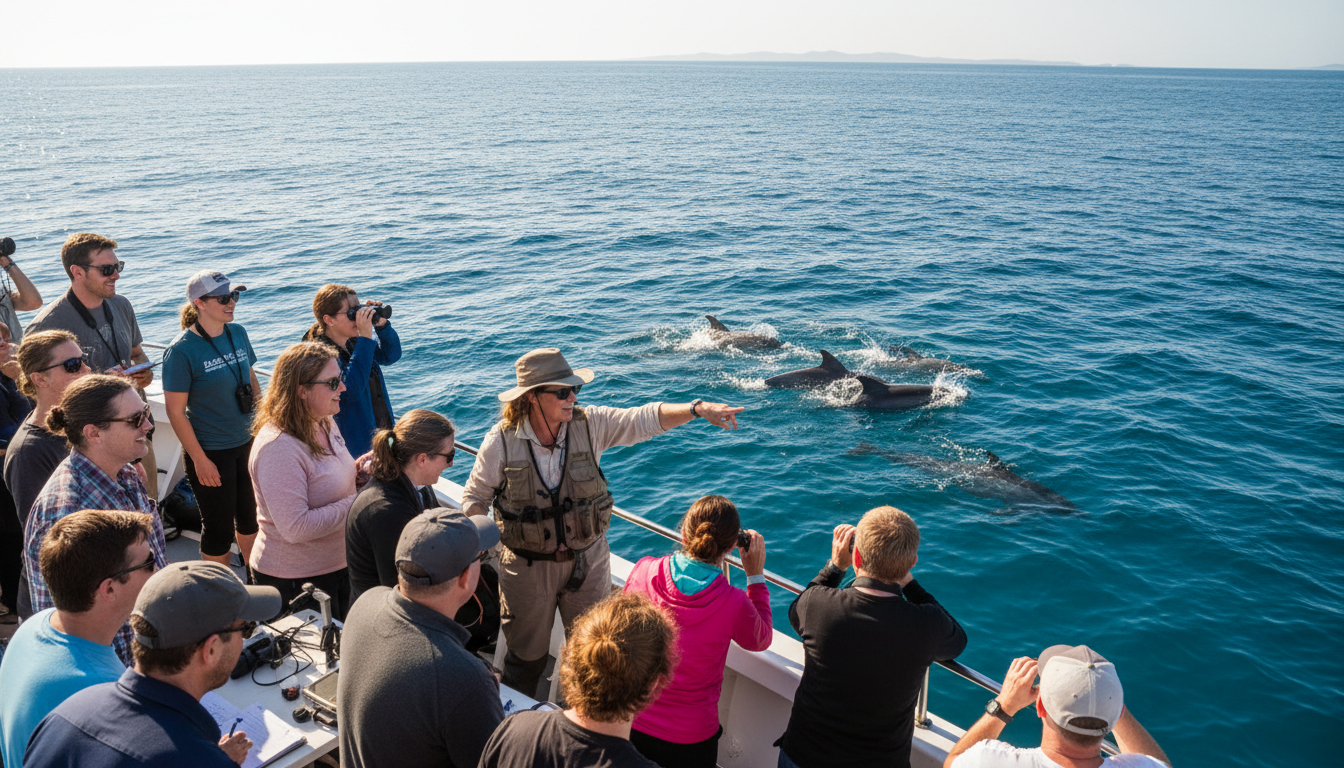
In July and August, you’ll find the peak of the tourist season, particularly in the highlands and coastal areas. This is also the best time for whale watching off the coast of Ile Sainte-Marie, as humpback whales migrate to the region.
The Wet Season: December to March
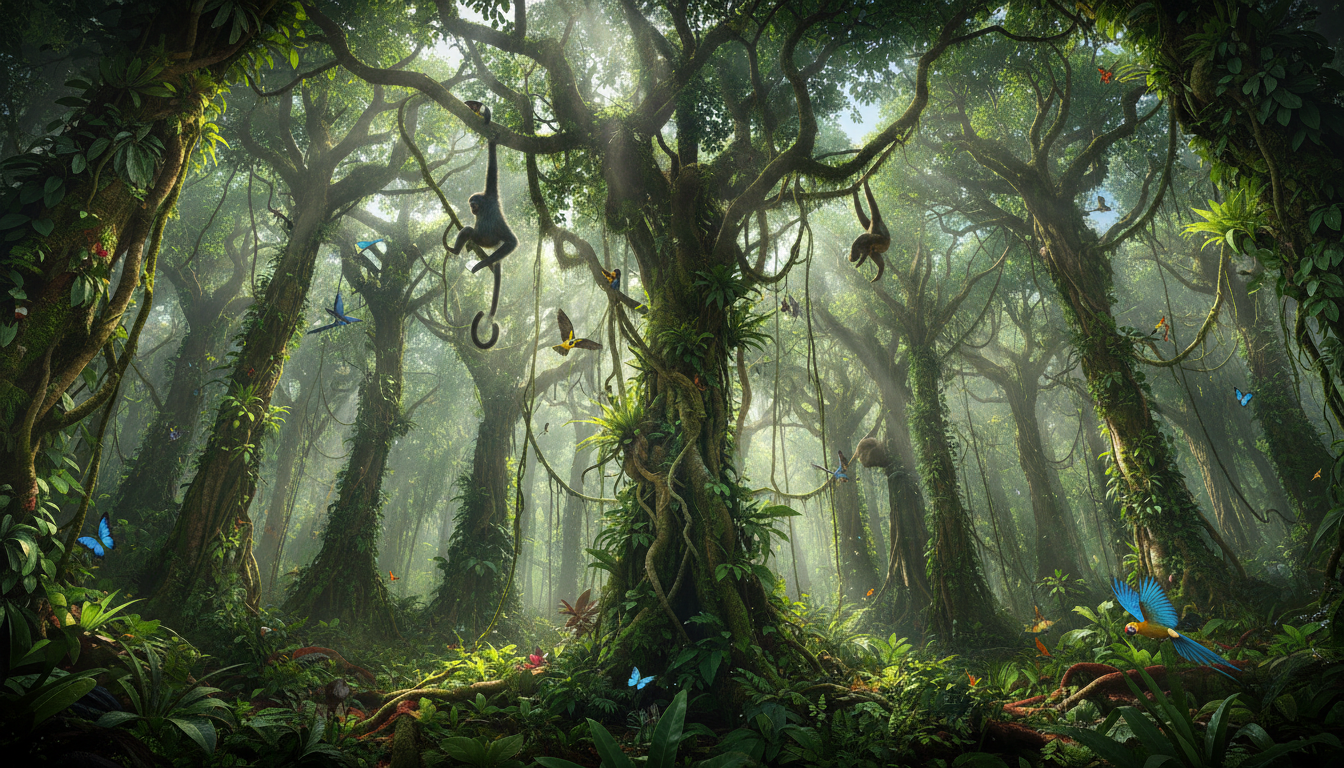
From December to March, Madagascar experiences its wet season, characterized by heavy rainfall and higher humidity levels. While some areas may become less accessible due to muddy roads, this season offers its own unique attractions. The landscapes transform into lush, green vistas, and many species become more active, offering excellent opportunities for wildlife enthusiasts.
However, it’s important to note that January and February are cyclone months, which can disrupt travel plans. If you choose to visit during this time, ensure you stay updated on weather forecasts and plan accordingly.
Seasonal Highlights
Each season in Madagascar brings its own set of highlights. During the cooler months of the dry season, the eastern rainforests are less humid, making it easier to spot lemurs and other wildlife. Meanwhile, the warmer months of the wet season bring vibrant blooms and the arrival of baby lemurs, adding a special charm to the island’s natural scenery.
For those interested in cultural experiences, the dry season is also the time for various local festivals, providing a glimpse into the rich traditions and customs of Madagascar’s diverse communities.
Tips for Planning Your Trip
When planning your trip to Madagascar, consider the type of activities you’re interested in and the regions you wish to explore. Here are some tips to help you make the most of your visit:
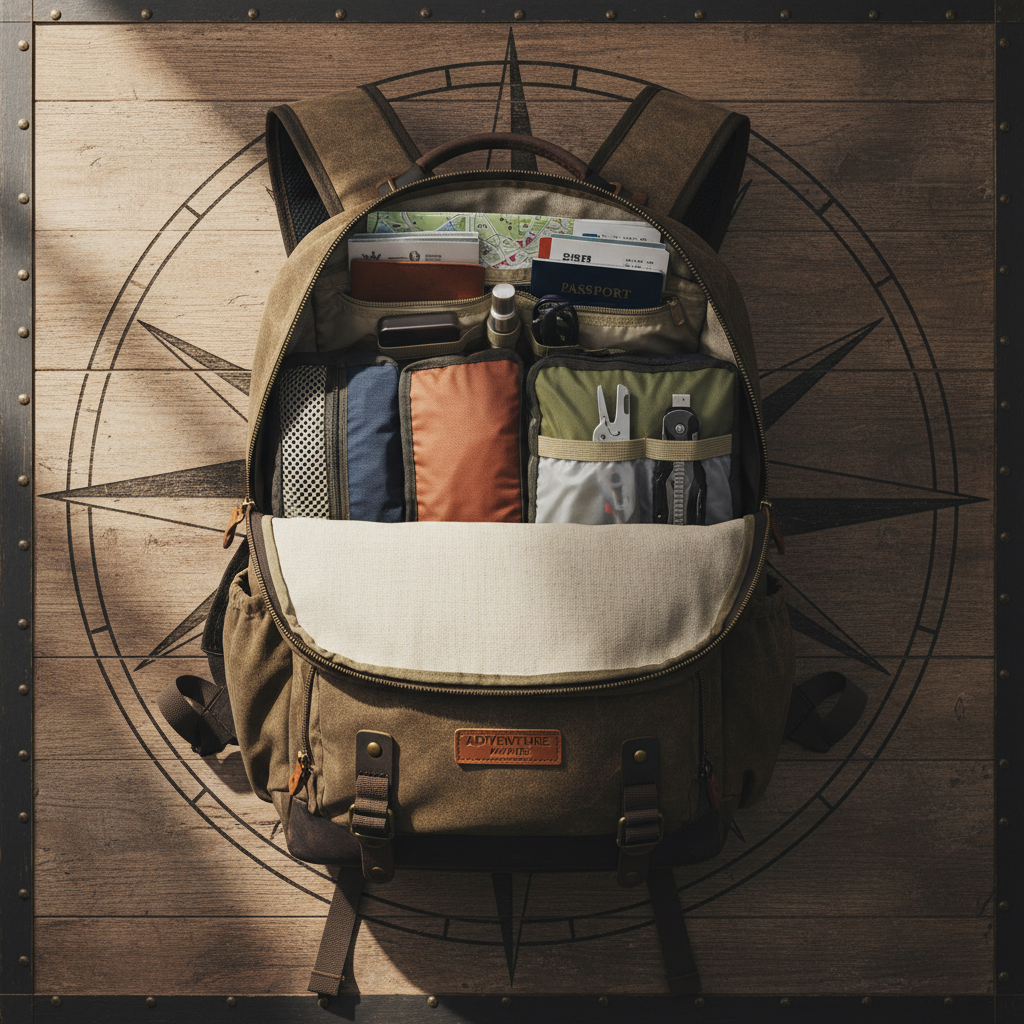
- Pack Accordingly: Lightweight clothing is ideal for the warm climate, but also bring layers for cooler evenings.
- Plan for Transport: Madagascar’s infrastructure can be challenging, so plan your transport in advance, especially during the wet season.
- Stay Informed: Keep an eye on weather forecasts, particularly if traveling during cyclone months.
Conclusion: Choosing the Right Season for You
Madagascar is a destination that promises adventure and discovery, no matter the season. By understanding the island’s climatic variations, you can tailor your trip to suit your interests and ensure a memorable experience. Whether you’re chasing lemurs through the rainforests or lounging on pristine beaches, Madagascar’s diverse seasons offer something for every traveler.