
Essential Tips for Traveling to Madagascar


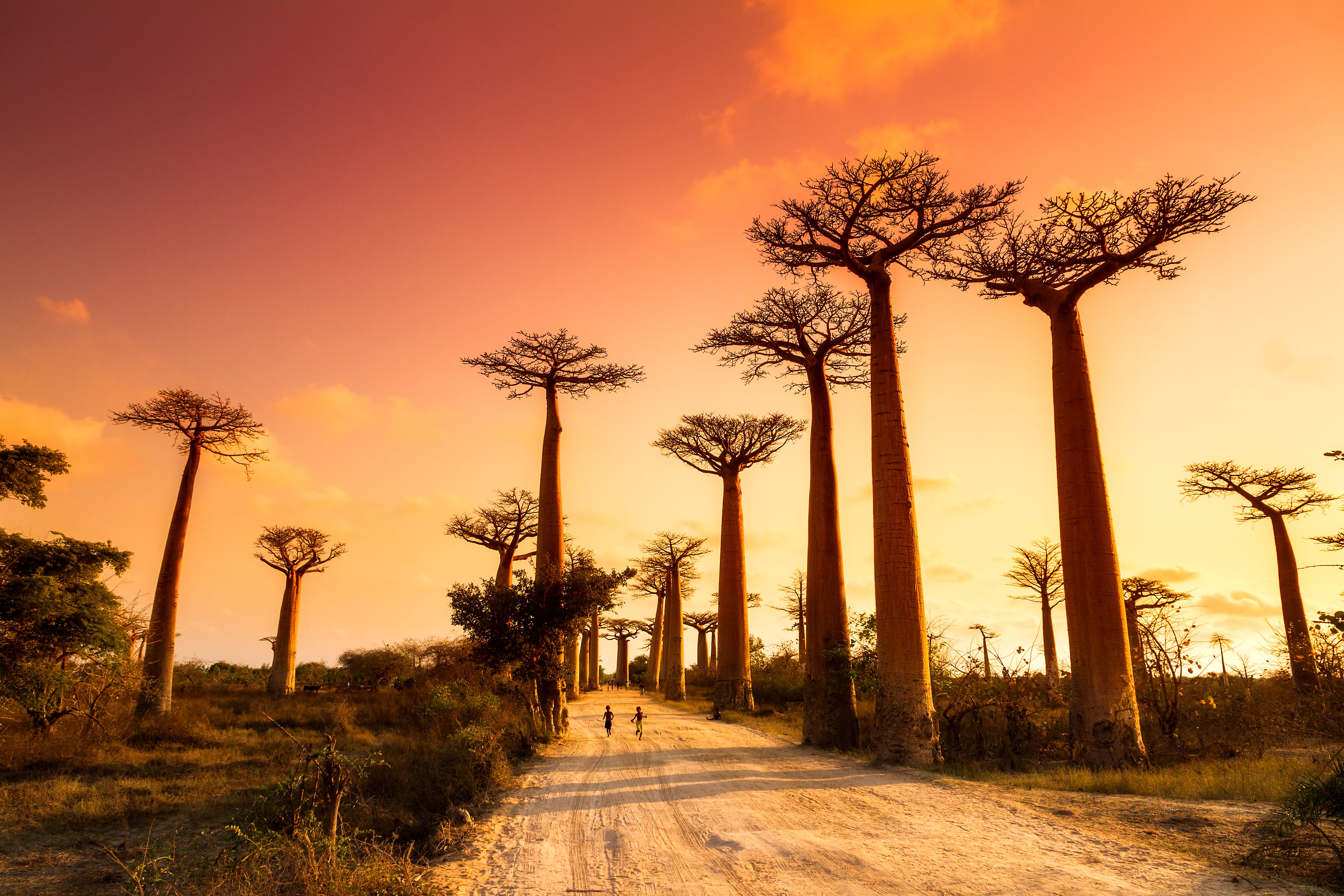
Madagascar, the fourth largest island in the world, is a treasure trove of unique wildlife, stunning landscapes, and vibrant cultures. Whether you're a seasoned traveler or planning your first adventure, it's essential to be well-prepared. Here are some tips to help you make the most of your journey to this enchanting destination.
Planning Your Trip
Best Time to Visit
The ideal time to visit Madagascar is during the dry season, from April to November. During this period, you'll experience pleasant weather, making it easier to explore the country's diverse attractions. The rainy season, from December to March, can make travel challenging due to muddy roads and the risk of cyclones.
Travel Documents
Ensure that your passport is valid for at least six months beyond your planned departure date. Most travelers will need a visa to enter Madagascar, which can be obtained on arrival at the airport or in advance from a Madagascan embassy or consulate. It's advisable to check the latest entry requirements before your trip.
Getting Around
Transportation Options
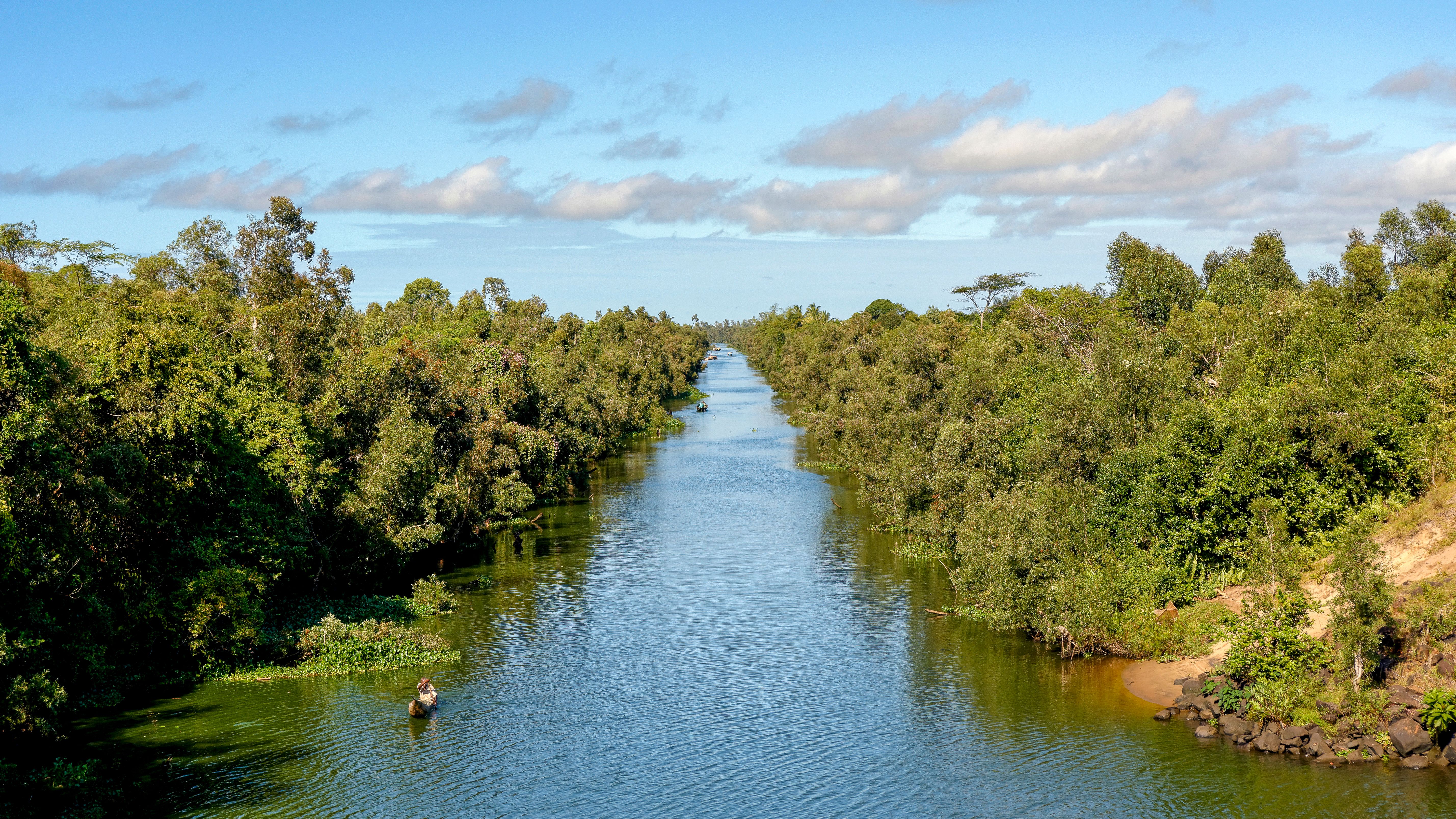
Madagascar's infrastructure is still developing, so travel can be an adventure in itself. Public transportation is limited, and renting a car with a driver is often the best way to explore the island. Domestic flights are available between major cities, but they can be expensive and subject to delays.
Local Etiquette
Respect for local customs and traditions is crucial. When visiting villages, it's polite to greet the village chief and ask for permission to explore. Dress modestly, especially in rural areas, and always ask before taking photos of people.
Exploring the Wildlife
Unique Flora and Fauna
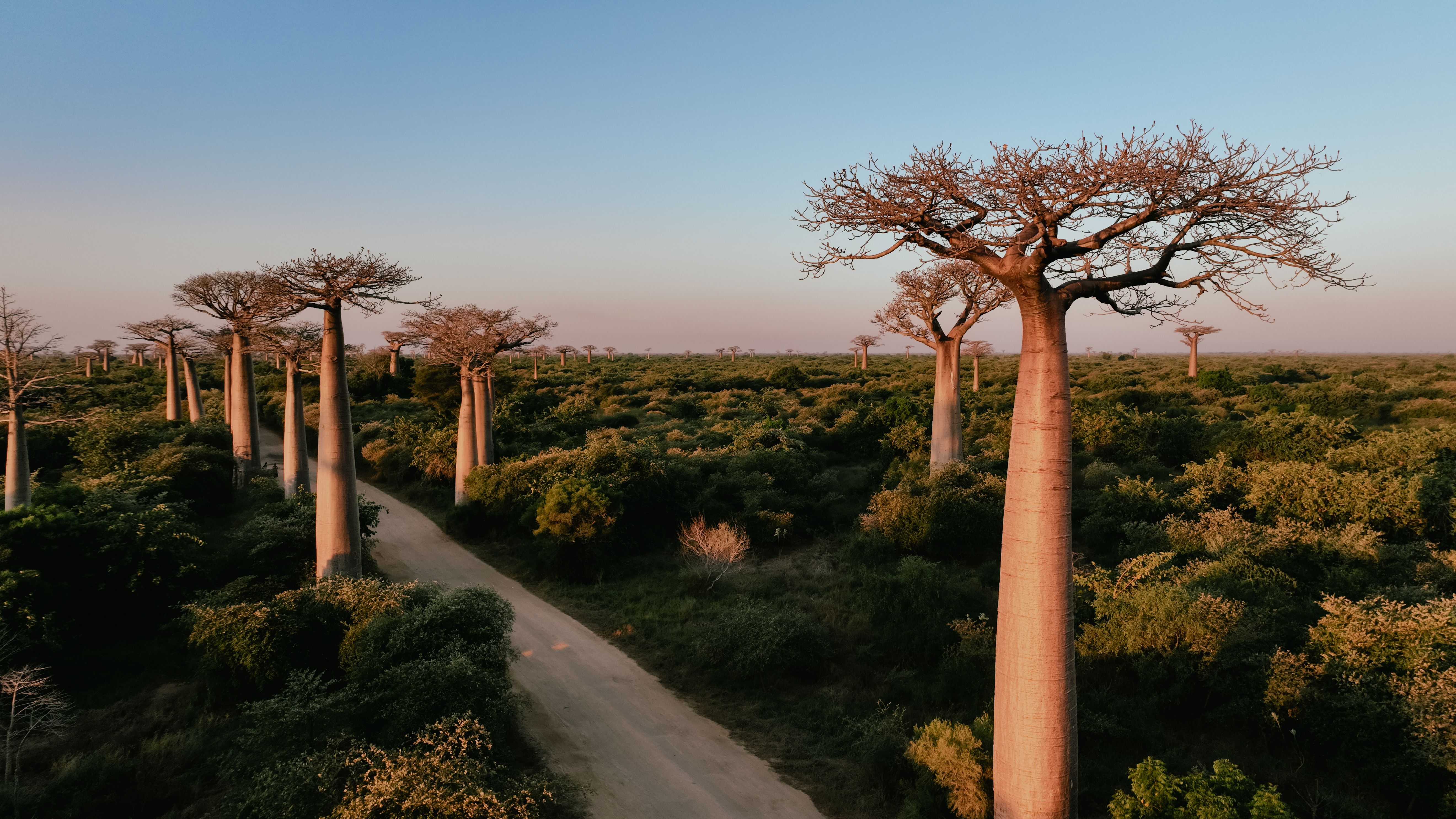
Madagascar is renowned for its biodiversity, with over 90% of its wildlife found nowhere else on Earth. From lemurs to chameleons, the island offers countless opportunities for wildlife enthusiasts. Hiring a local guide can enhance your experience, providing insights into the unique ecosystems and helping you spot elusive species.
Conservation Efforts
Support conservation efforts by choosing eco-friendly tours and accommodations. Many reserves and parks rely on tourism revenue to fund their activities, so your visit can contribute to the preservation of Madagascar's natural heritage.
Health and Safety
Vaccinations and Health Precautions
Before traveling, consult your healthcare provider about necessary vaccinations, such as those for hepatitis A, typhoid, and yellow fever. Malaria is present in many areas, so taking preventive measures, including antimalarial medication and mosquito repellent, is recommended.
Staying Safe
While Madagascar is generally safe for tourists, it's wise to take standard precautions. Avoid displaying valuables and be cautious in crowded areas. Staying informed about local conditions and following travel advisories can help ensure a trouble-free trip.
By preparing adequately and respecting the local environment and culture, your journey to Madagascar can be an extraordinary and rewarding adventure. Enjoy the breathtaking landscapes, rich biodiversity, and the warm hospitality of the Malagasy people.