
Cultural Encounters in Madagascar: A Journey Beyond the Ordinary


Discovering Madagascar's Rich Tapestry
Madagascar, the fourth largest island in the world, offers a unique blend of cultures and traditions shaped by its diverse history. From the vibrant highland tribes to coastal communities, the island's cultural encounters promise a journey beyond the ordinary.
Madagascar's cultural landscape is a melting pot of influences from Africa, Asia, and Europe, making it a fascinating destination for travelers seeking a deeper understanding of its people and traditions.
The Warmth of Malagasy Hospitality
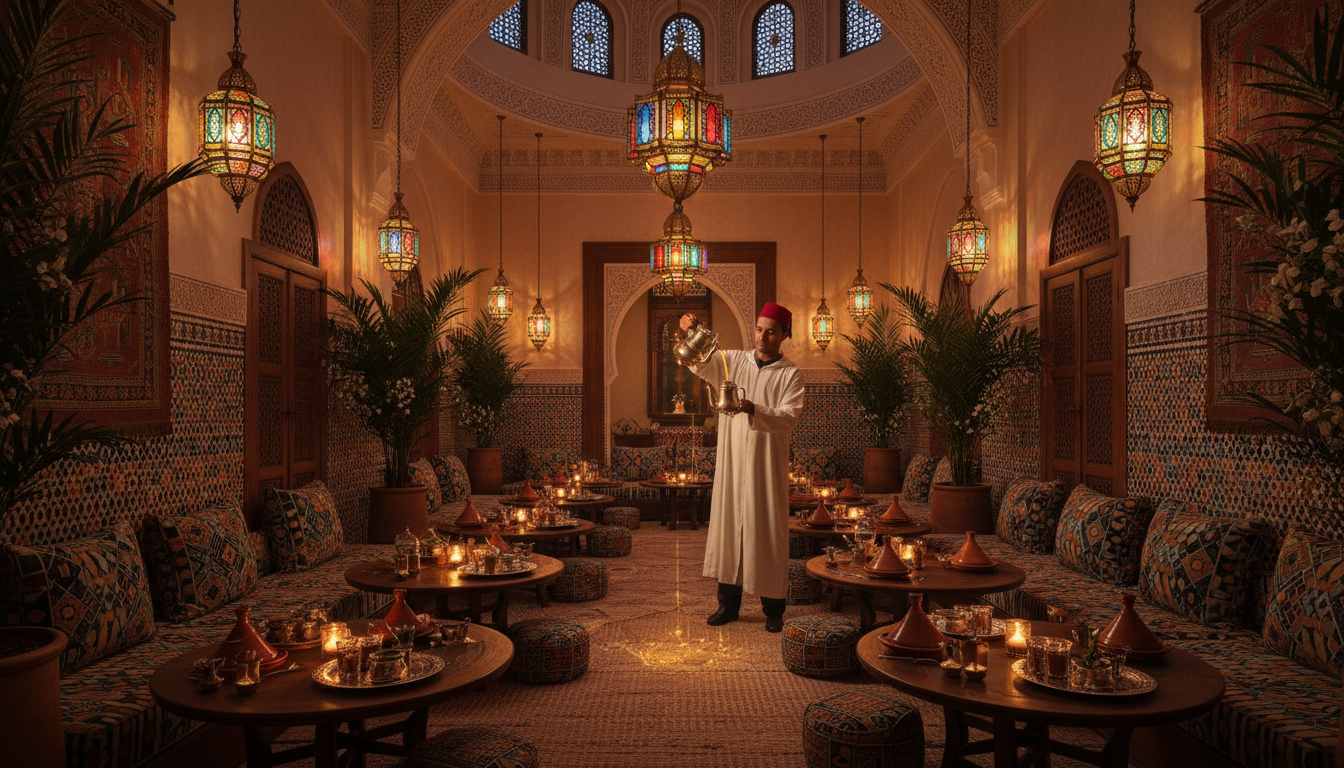
The Malagasy people are known for their warmth and hospitality. Visitors often find themselves welcomed into homes and invited to share meals, a testament to the community-oriented culture. This openness provides a unique opportunity to engage with locals and learn about their daily lives.
Traditional Malagasy hospitality includes sharing a meal of rice and meat or fish, often accompanied by a variety of local vegetables. Accepting such invitations can lead to meaningful interactions and a genuine connection with the island's inhabitants.
Exploring Tribal Traditions
Madagascar is home to 18 ethnic groups, each with its own distinct customs and traditions. The Merina and Betsileo tribes inhabit the highlands, known for their intricate woodwork and weaving skills. These tribes are also recognized for their unique funeral customs, which provide insight into their beliefs about life and death.
In contrast, the coastal tribes like the Antandroy and Vezo have a rich maritime culture, reflecting their reliance on the sea. Exploring these tribal areas offers a glimpse into the diverse ways of life that coexist on the island.
Festivals and Celebrations
Madagascar's cultural calendar is filled with vibrant festivals and celebrations. The Famadihana, or "turning of the bones," is a traditional ceremony where families honor their ancestors by rewrapping their remains in fresh cloth. This event, filled with music and dance, is a profound expression of Malagasy spirituality and community.
Another notable celebration is the Hiragasy, a traditional form of musical storytelling that brings communities together. These festivals provide visitors with a dynamic and immersive experience of Madagascar's cultural heritage.

Culinary Adventures
Madagascar's cuisine is as diverse as its culture. A blend of African, Asian, and European influences, the island's food offers a delightful array of flavors. Ravitoto, a dish made from cassava leaves and pork, is a local favorite, while Romazava, a meat and greens stew, is the national dish.
- Ravitoto: Cassava leaves and pork
- Romazava: Meat and greens stew
- Zebu: A type of cattle, often grilled
Sampling these dishes is an essential part of experiencing the island's culture, offering a taste of Madagascar's rich culinary traditions.
Preserving Cultural Heritage
Efforts to preserve Madagascar's unique cultural heritage are ongoing, with various organizations working to protect traditional practices and languages. This preservation is crucial for maintaining the island's cultural identity amid globalization.
Visitors can contribute to these efforts by supporting local artisans and participating in community-based tourism initiatives, ensuring that their travel positively impacts the communities they visit.
In conclusion, a journey to Madagascar offers more than just stunning landscapes and unique wildlife. It provides a chance to engage with a rich tapestry of cultures and traditions, offering experiences that are truly beyond the ordinary.