
A Journey Through Madagascar's Local Culture: What Every Traveler Should Know


Discovering Madagascar's Rich Heritage
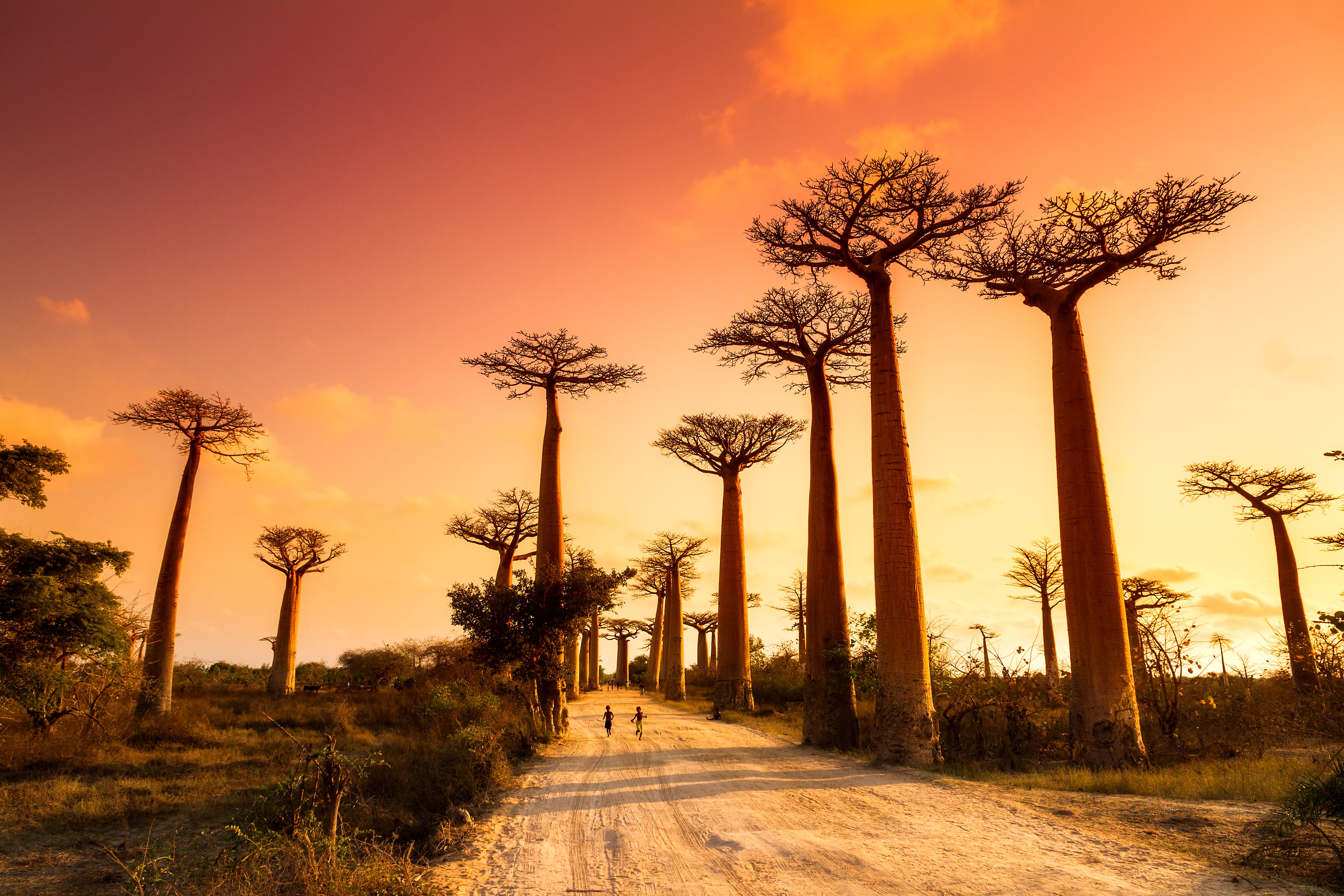
Madagascar, the fourth largest island in the world, is a treasure trove of unique cultural experiences. From its diverse ethnic groups to its vibrant traditions, Madagascar offers travelers a glimpse into a world where history and modernity intertwine. Understanding the local culture is essential for any visitor looking to fully appreciate this beautiful island.
The People of Madagascar
The island is home to 18 distinct ethnic groups, each with its own customs and traditions. The largest of these groups is the Merina, who mainly reside in the central highlands. The Betsimisaraka, known for their seafaring heritage, inhabit the eastern coast. Engaging with these communities provides a deeper understanding of Madagascar's multifaceted identity.
Respect for ancestors plays a pivotal role in Malagasy culture. Many locals participate in the "famadihana" or turning of the bones, a traditional ceremony where ancestors' remains are exhumed and celebrated. This practice highlights the profound connection the Malagasy people have with their heritage.
Culinary Adventures
Madagascar's cuisine is as diverse as its people. Rice, or "vary," is the staple food, often accompanied by flavorful dishes made with zebu, a type of cattle. Fresh seafood is abundant along the coast, offering delightful options for food enthusiasts. Don't miss tasting "romazava," a traditional stew, or "ravitoto," made with cassava leaves and pork.
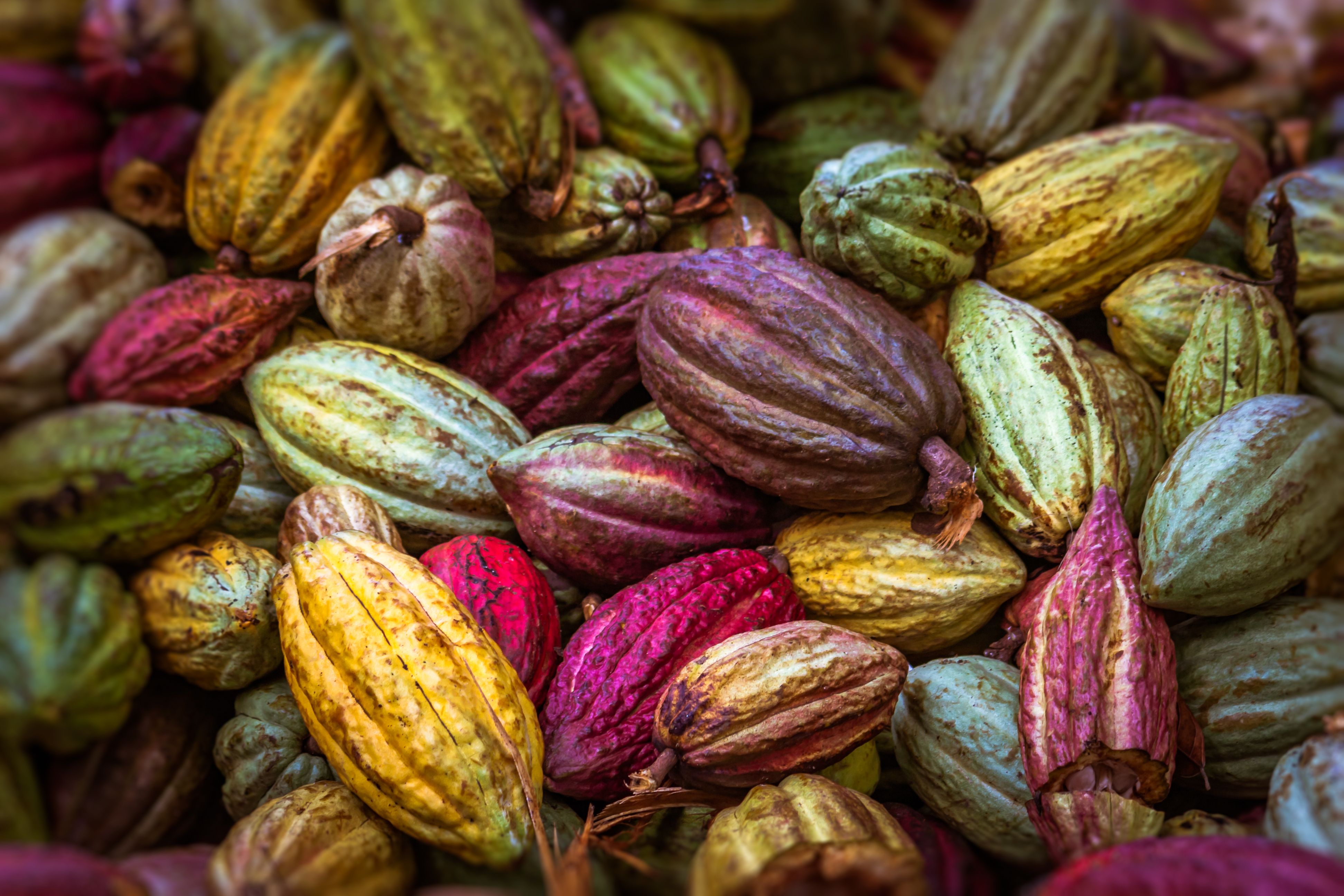
Street food is also a must-try. The bustling markets are filled with vendors selling "mofo gasy," sweet rice cakes, and "koba," a delicious peanut and banana snack wrapped in banana leaves. These treats offer a taste of the everyday life of the Malagasy people.
Traditional Arts and Crafts
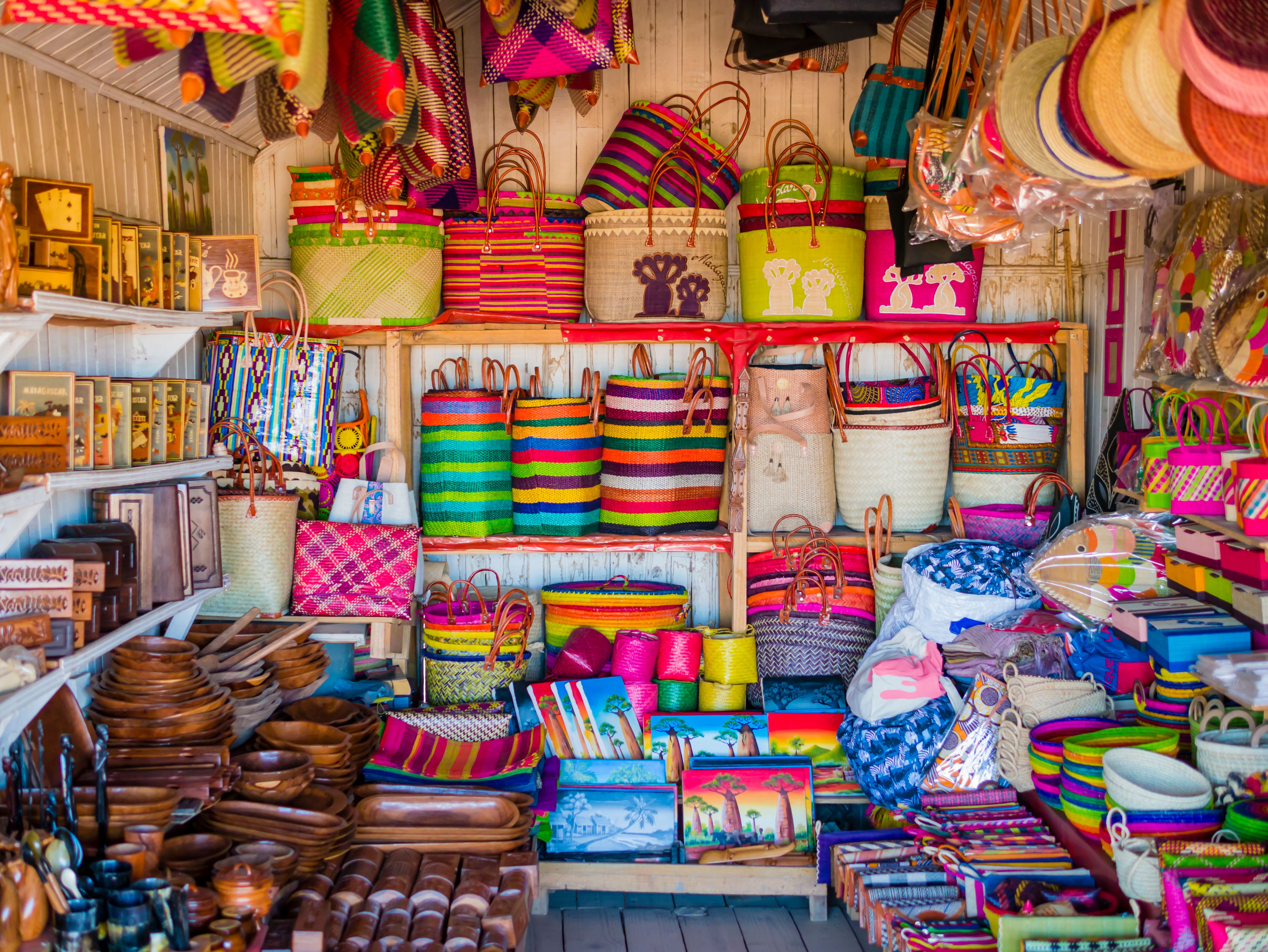
Madagascar boasts a rich tradition of arts and crafts. The Zafimaniry people are renowned for their intricate wood carvings, recognized by UNESCO as an Intangible Cultural Heritage. Visitors can explore their villages to witness the artistry firsthand.
Hand-woven textiles are another highlight. The colorful "lamba" cloths are not only beautiful but also hold significant cultural importance. Used in ceremonies and daily life, they are a symbol of Malagasy identity.
Festivals and Celebrations
Festivals in Madagascar are vibrant expressions of culture and community. The "Hiragasy" is a traditional music and dance festival that captivates audiences with its lively performances. Meanwhile, the "Donia Festival" in Nosy Be showcases the island's musical talent and attracts visitors from all over the world.
Participating in these celebrations offers an authentic experience of Malagasy hospitality and joy. Travelers should seize the opportunity to join in the festivities, making unforgettable memories along the way.
Responsible Travel Tips
When exploring Madagascar, it's important to travel responsibly. Respect local customs and traditions by dressing modestly and being mindful of cultural sensitivities. Supporting local businesses, such as family-owned guesthouses and markets, helps sustain the community.
Preserving the island's natural beauty is equally crucial. Engage in eco-friendly practices, such as minimizing waste and respecting wildlife habitats, to ensure that future generations can enjoy Madagascar's wonders.
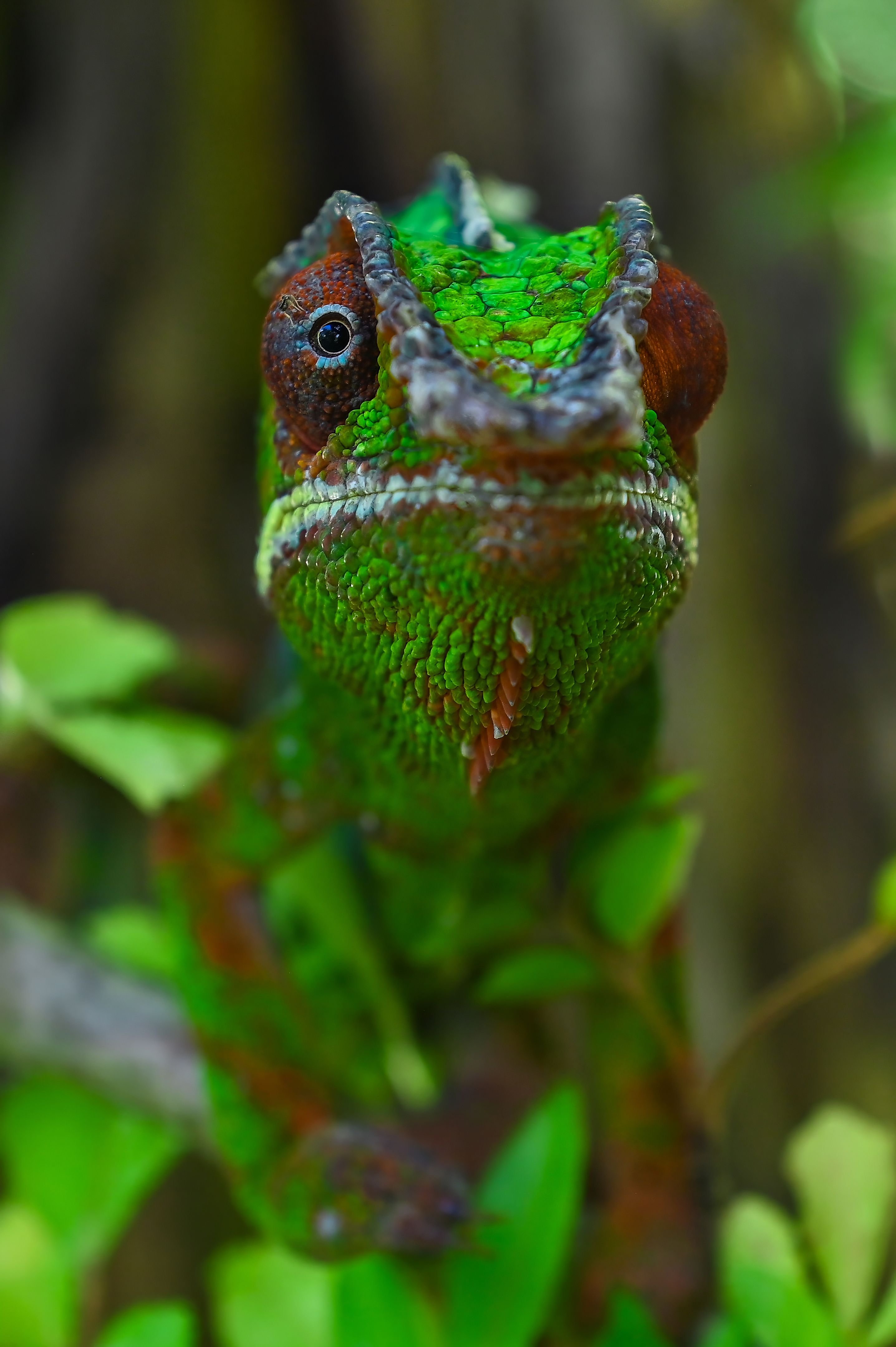
In conclusion, Madagascar's local culture is a vibrant tapestry woven from diverse traditions, flavorful cuisine, and artistic expression. By immersing yourself in this rich heritage, you not only enrich your travel experience but also contribute to the preservation of a truly unique cultural legacy.